
• Bufonidae Rhinella marina cane toad

    Toad or Frog – How to Tell the Difference

    The Cane Toad Rhinella marina continues its’ march across Australia, spreading from its original introduction sites on the tropical north Queensland coast. It’s now seen regularly in southern inland Queensland towns like Roma, Injune and Miles.  Cane toads are often confused with some of our larger kinds of native frogs. This sometimes leads people to… Read more »

    read more
  • Duncan Armstrong gives Wallaroo Outback Retreat the Thumbs Up

    Story by Pauline MacDonnell. “Wallaroo is the perfect way to experience our incredible Aussie landscape with all the comfort and luxury of being in a five star hotel. I’ve travelled a great deal with my swimming career and work life, but rarely have I seen a better set-up than Wallaroo. I’ll be recommending Wallaroo to… Read more »

    read more
  • Channel Billed Cuckoo - birds

    5 Species of Migratory Birds You’ll Find in the Roma Region

    BOOBOOK Ecologists, like Craig Eddie and Richard Johnson, get excited as spring approaches.  Not only does this time of year bring the reptiles back out of their winter hiding places, it is also usually brings an increase in birds and their songs throughout the Roma region.   Some of the birds we see in our part… Read more »

    read more
  • pink wildflowers

    Spring has Sprung: Watch out for Wildflowers

    What do wildflowers look like? Wildflowers can be any native flowering plant, including tree, shrubs and herbage. Usually associated to form carpets of colours, such as those famous in Western Australia. Gum trees can turn snowy white, and drip with nectar, blue blur of bluebells growing on the edges of roads, golden blaze of wattles,… Read more »

    read more
  • Macdonnell wedding

    Bigger than Ben-Hur – A Party in the Outback

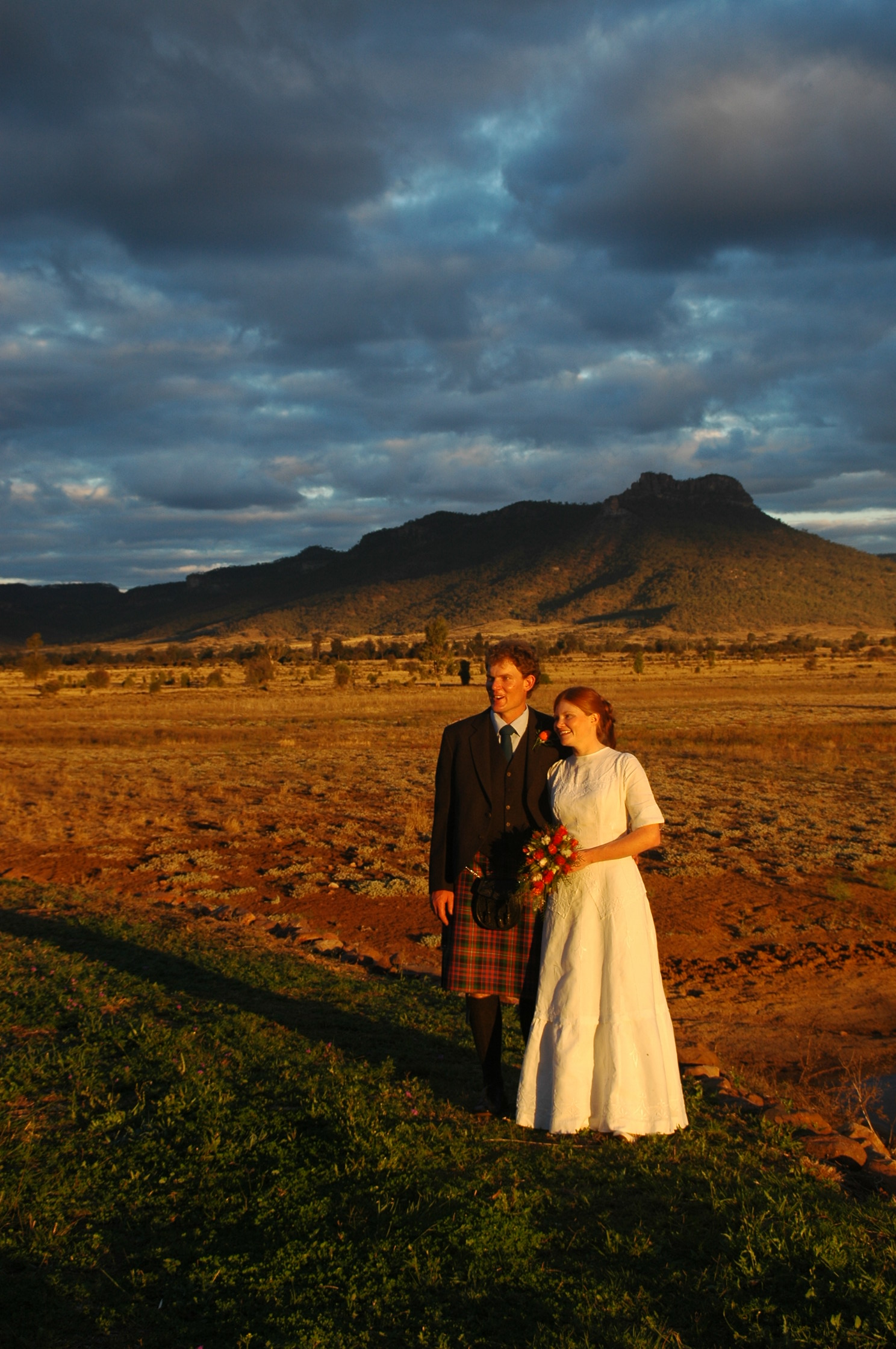
    By Pauline MacDonnell If you lived in the middle of Brisbane, few would ever consider hosting their own 40th birthday party in their home or backyard.   The idea of throwing a 21st birthday or better yet their own wedding at home is just not a thought worth entertaining.   It would be so much easier to… Read more »
    read more
  • Snakes on the move

    Reptiles on the Move

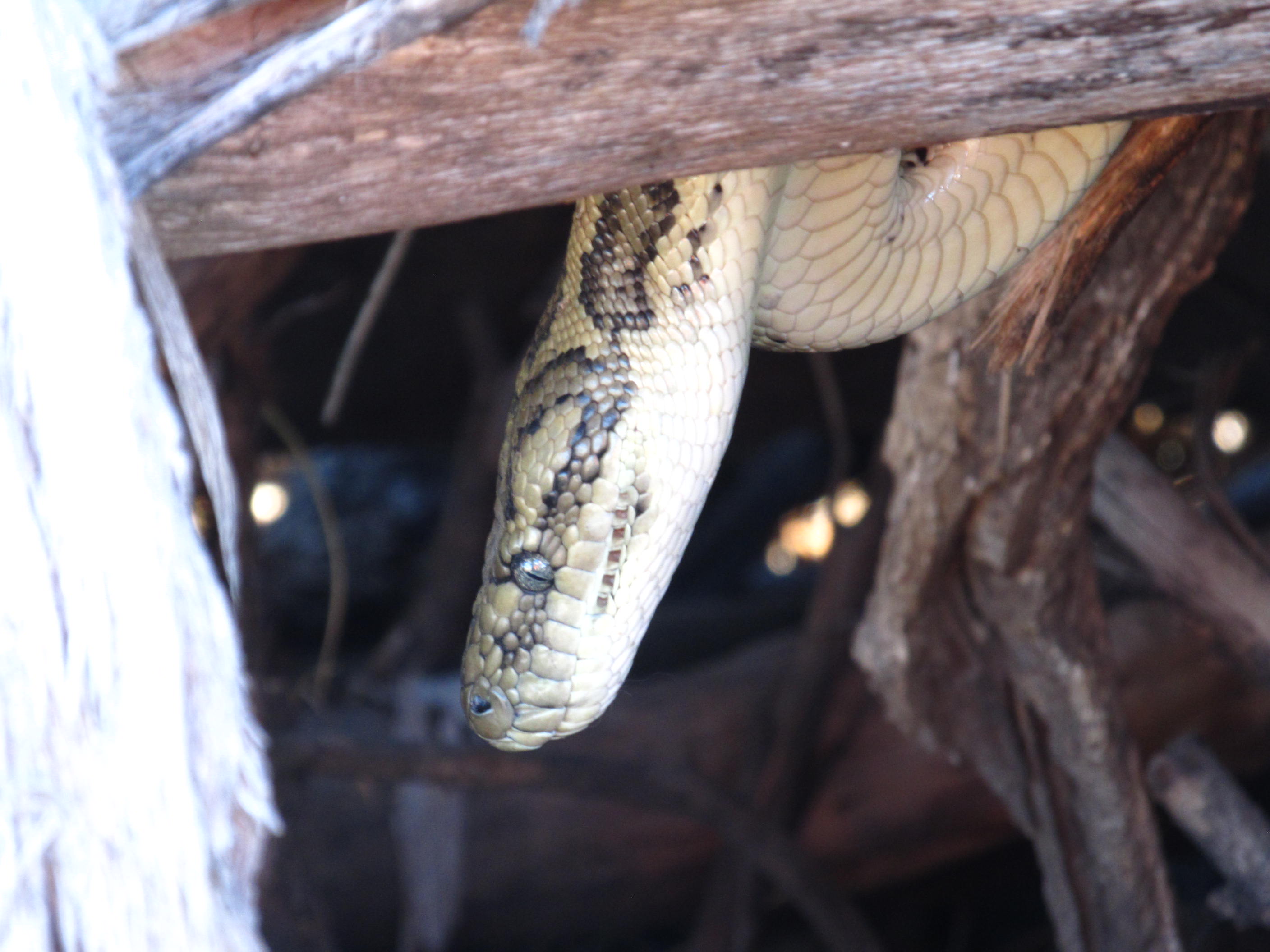
    Meryl Eddie here from Boobook Explore, Roma, Outback Queensland. Even though we’ve had a relatively warm winter in Outback Queensland, the winter months have been cool enough to encourage most of our Australian reptiles to stay tucked away for a while longer. Although not as long as I expected: It’s early August and our last… Read more »

    read more
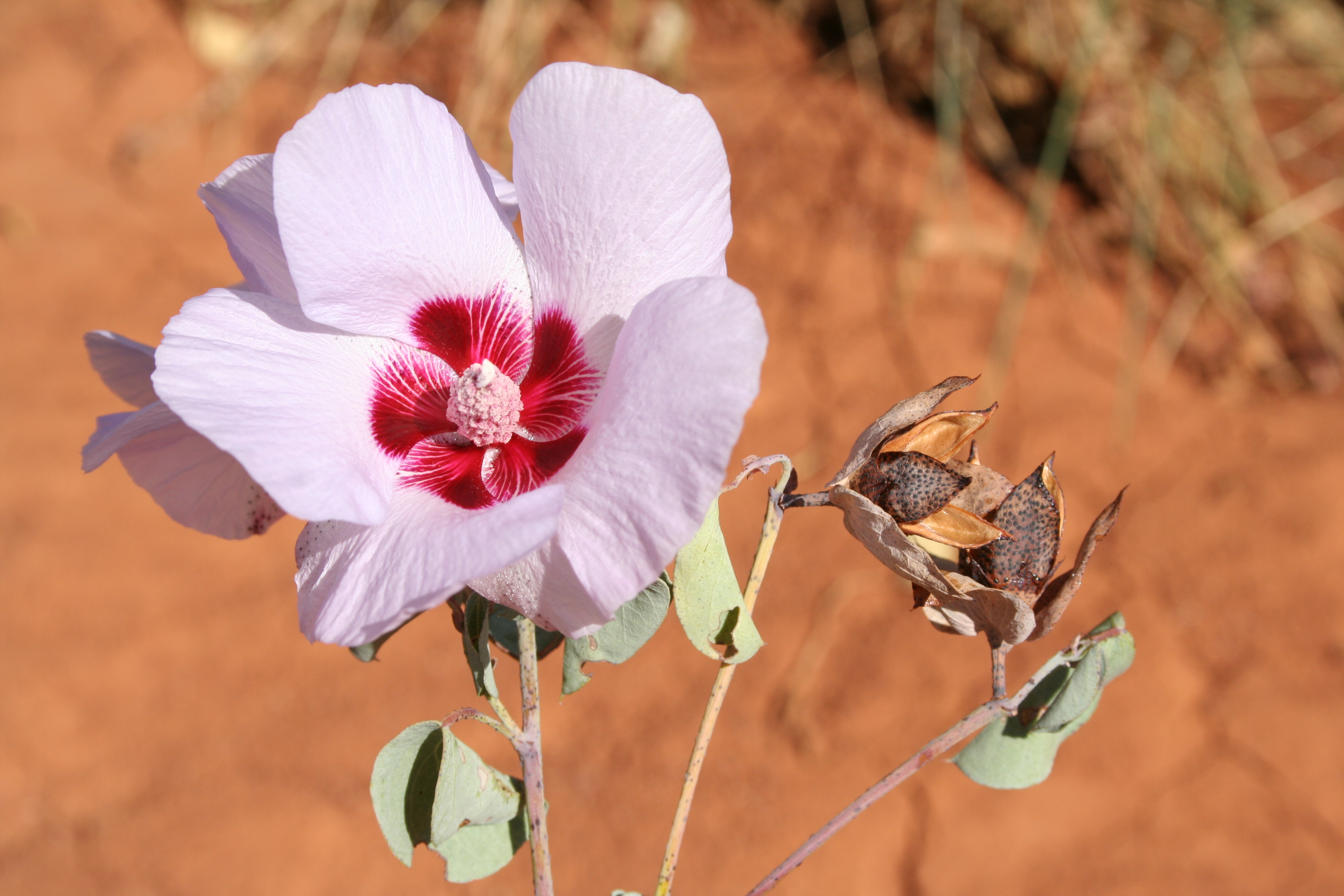
  • Sturt's Desert Rose

    Sturt’s Desert Rose: A rare find in Outback Queensland

    Guests on Boobook Explore’s Wheat, Wells and Wildlife Day Tour in Outback Queensland have been treated to views of one of the Roma region’s most spectacular wildflowers – Sturt’s Desert Rose, known scientifically as Gossypium sturtianum. It was a surprise for many guests to see this plant which is more often spotted within drier and… Read more »

    read more
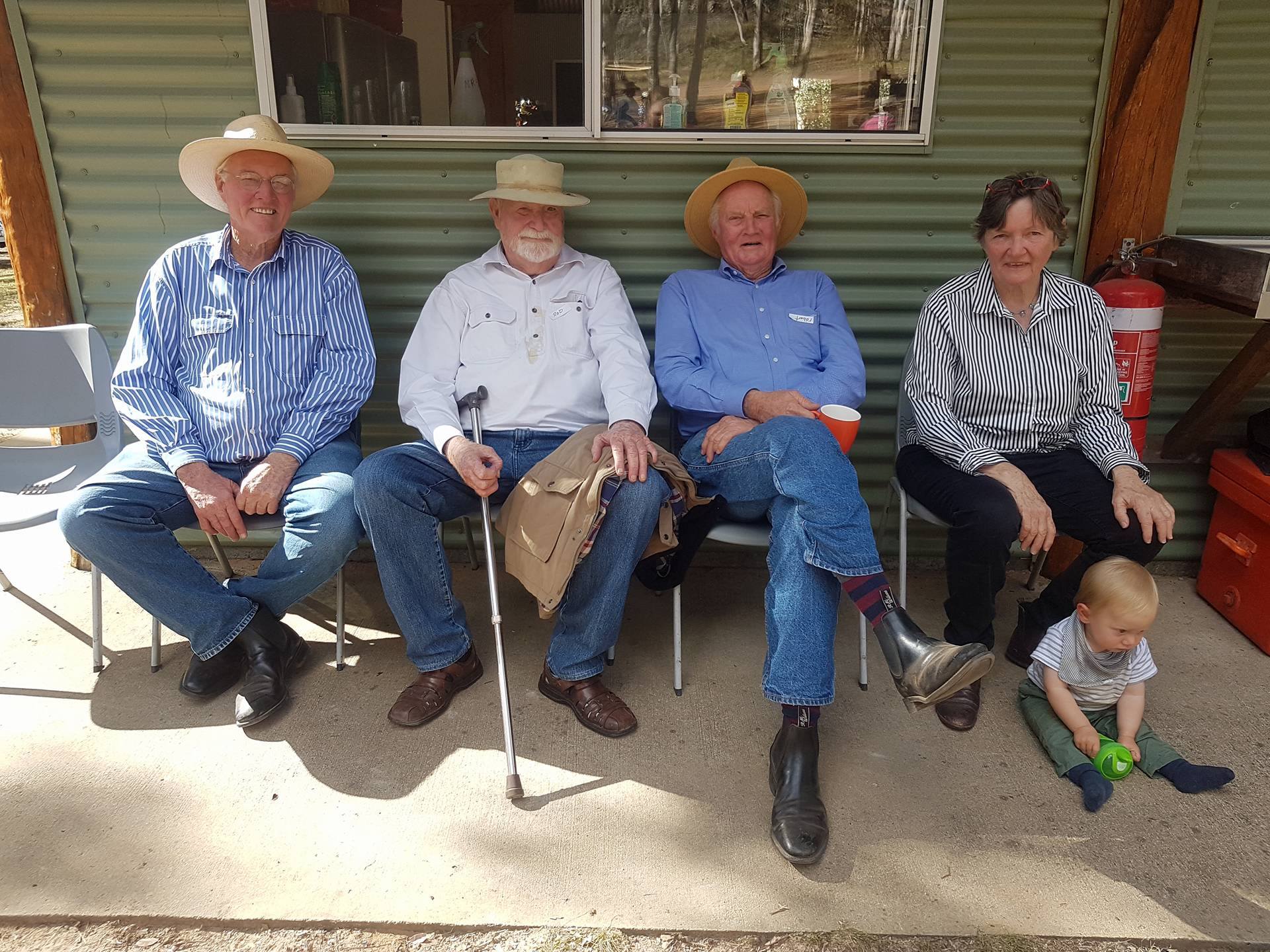
  • 4 people resting

    Meet the MacDonnell’s from “Wallaroo” – The Biggest Billy Tea

    Justin and Pauline MacDonnell and their young family are the owners of “Wallaroo”, a 71,000 acre cattle station nestled in the Carnarvon Ranges in Outback Queensland.  In between tours with their partner, Boobook Explore and working on the farm, the MacDonnell’s find time to have fun with neighbours and to support difference-making charities. Here’s what… Read more »

    read more
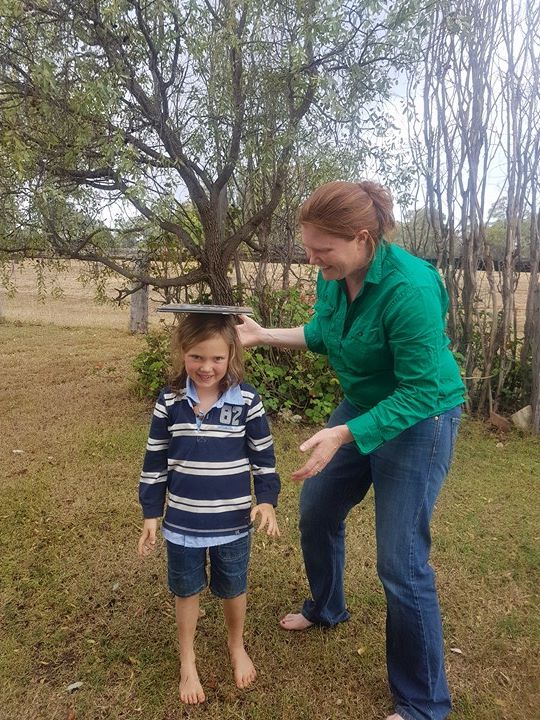
  • Meet the MacDonnell’s from “Wallaroo” – Deportment classes

    Justin & Pauline MacDonnell and their young family are the owners of “Wallaroo”, a 71,000 acre cattle station nestled in the Carnarvon Ranges in Outback Queensland.  The property is one of Boobook Explore’s destinations, where guests in small intimate groups enjoy private access to this diverse property with local ecologist, Craig Eddie as one of… Read more »

    read more
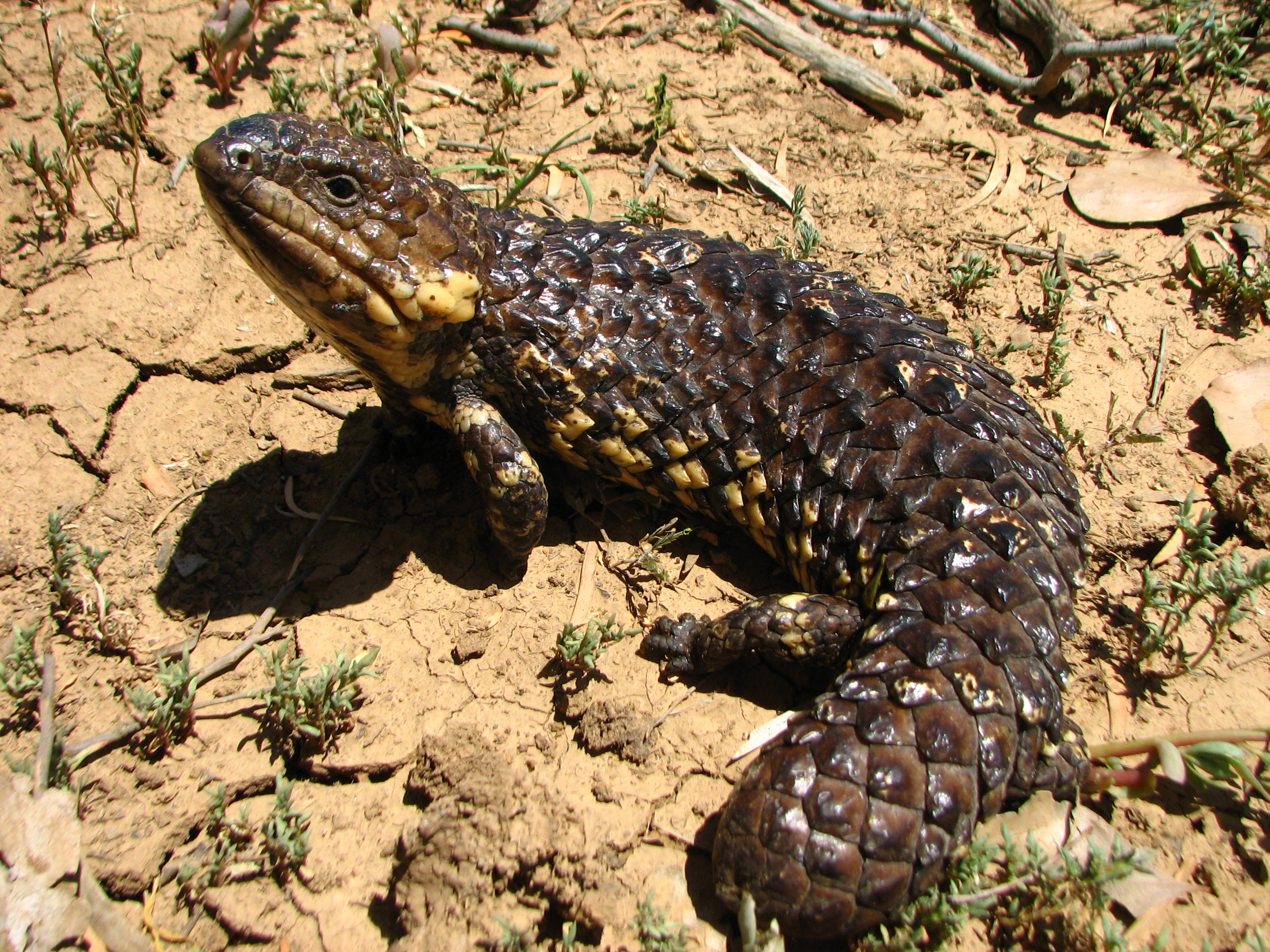
  • Shinglebacks on Tour

    What are Shinglebacks? Shinglebacks are a skink, which is a type of lizard. At 40 cm long and up to 900 grams, they’re one of the largest skinks in the world. What do they look like? They’re similar to their cousins; the Blue-tongued Lizard, because they have a blue tongue. But Shinglebacks are heavily armoured… Read more »

    read more